
Why Handheld Gaming PCs Are Entering Their Second Generation
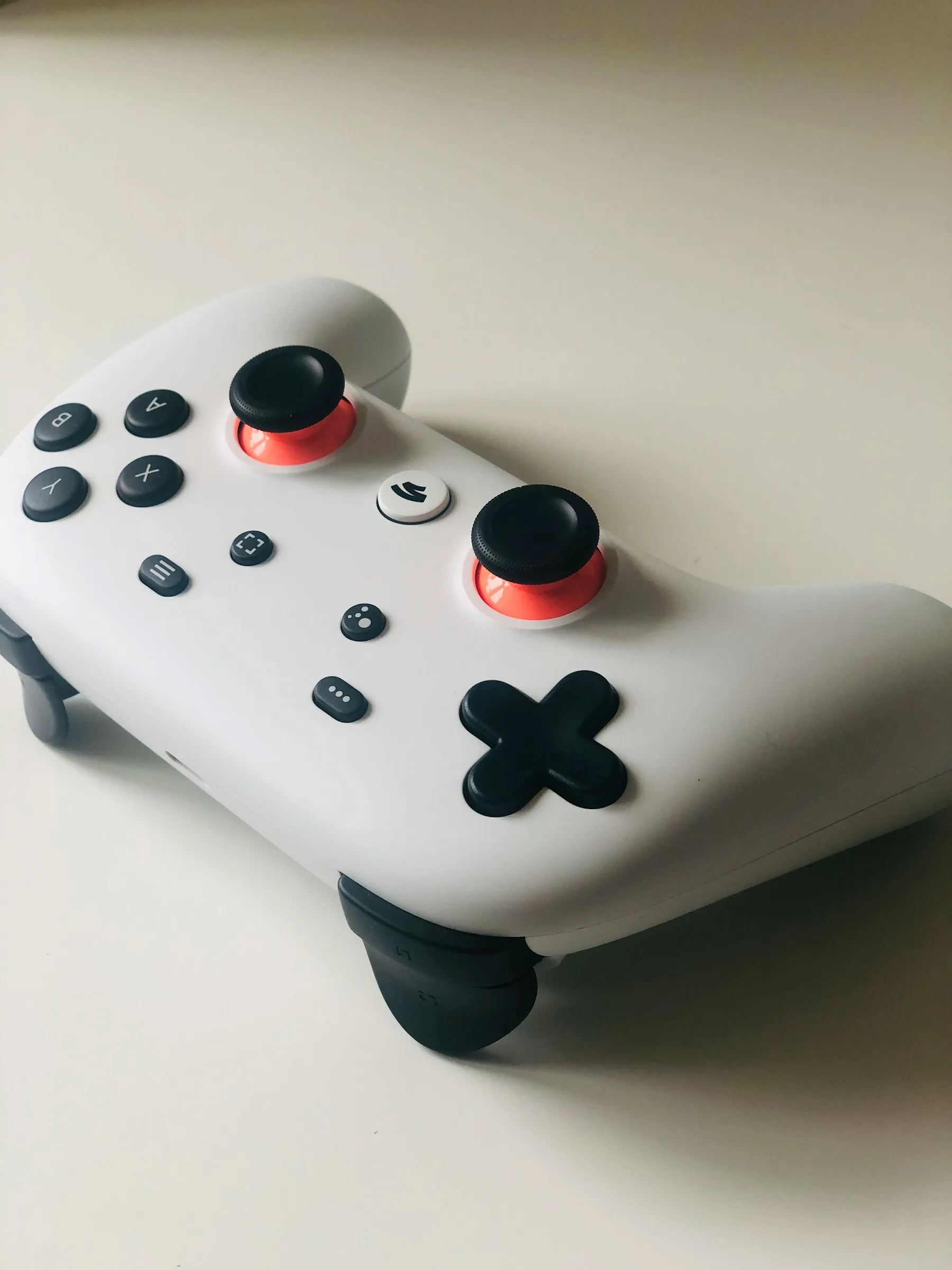
The first wave proved the format. The second has to prove it can last—with better panels, saner thermals, and a battery story that stops apologizing.


Studios are moving accessibility reviews earlier, and the results are reaching far beyond menus and remappable controls.

The new competitive season has made patience fashionable again, with academy prospects replacing expensive short-term fixes.


No stories in this category yet.

The first wave proved the format. The second has to prove it can last—with better panels, saner thermals, and a battery story that stops apologizing.

Studios are moving accessibility reviews earlier, and the results are reaching far beyond menus and remappable controls.

The new competitive season has made patience fashionable again, with academy prospects replacing expensive short-term fixes.

Higher prices have pushed every major service toward a sharper answer to one basic question: what is this actually for?

After a decade of bloat, several major studios are quietly cutting their maps in half—and finding players are staying longer.

It ships without perks, abilities, or a battle pass. What it has is the best movement system in the genre in years.

A physics puzzler, a rhythm roguelike, and three quieter releases that deserve more of your evenings than the blockbuster calendar does.

Teams have more match data than ever. The competitive edge now comes from deciding what players should never have to see.

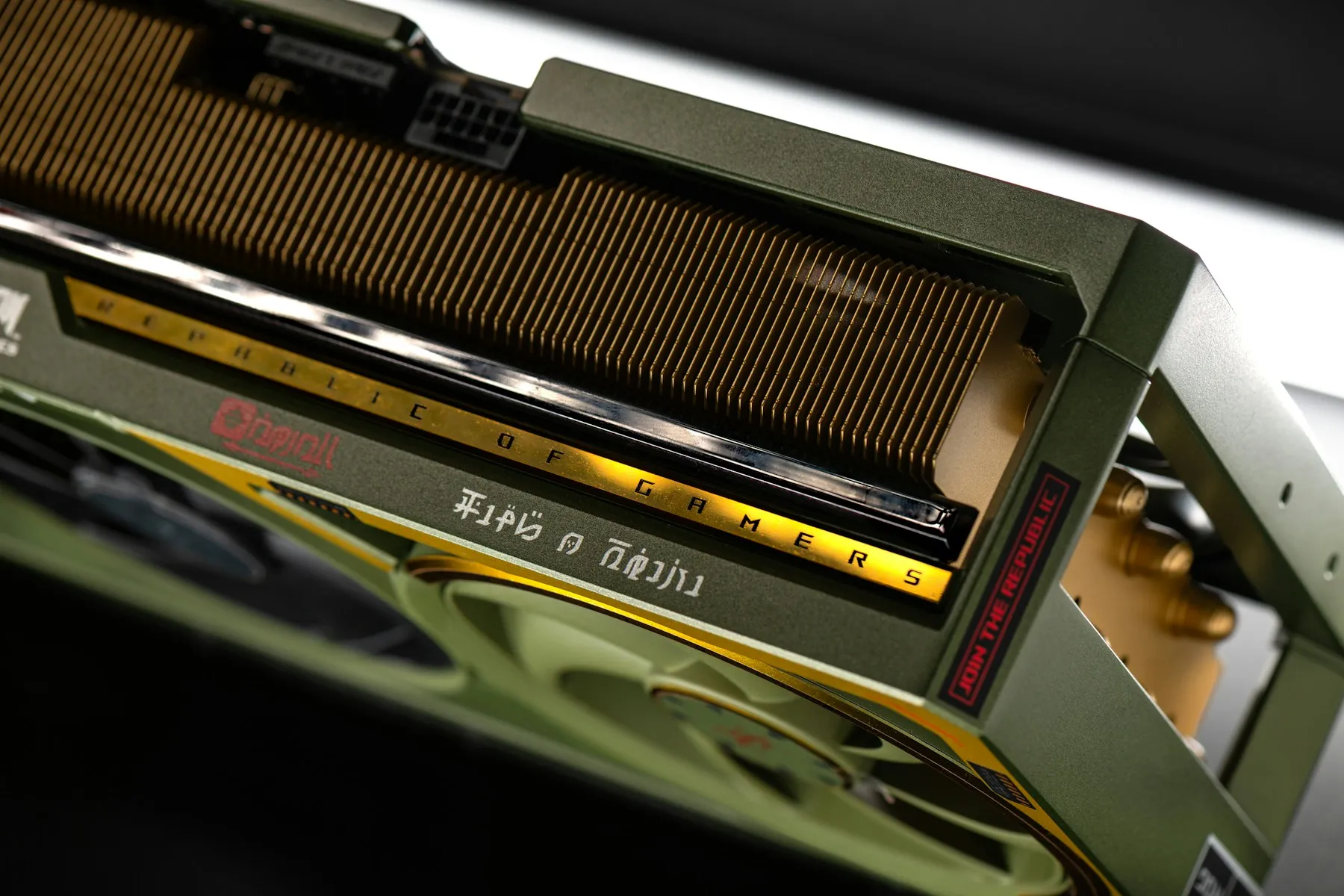
The gap between the mid-tier and the flagship used to be a canyon. The latest upscaling stack has quietly turned it into a step.

It costs more than it should and looks nearly identical. It also fixes the two things that have quietly bothered owners for three years.

Two years of quiet infrastructure work has produced a service that behaves less like a demo and more like a platform.

No fanfare and no giant keynote—just six releases in twelve months that each found a clear audience.

Small in-person events are rebuilding the local rivalries, resilient setups, and stage confidence that online ladders cannot provide.

Ad rates are down, subscriptions are flat, and platforms are quietly rewriting the deal. Here is what a smarter creator contract looks like.
Score9.2/10A genre-defining reinvention of the immersive sim, undone only slightly by an ending it does not quite earn.

The new competitive season has made patience fashionable again, with academy prospects replacing expensive short-term fixes.

It ships without perks, abilities, or a battle pass. What it has is the best movement system in the genre in years.