The Accessibility Patch Race Is Changing How Games Ship
Studios are moving accessibility reviews earlier, and the results are reaching far beyond menus and remappable controls.

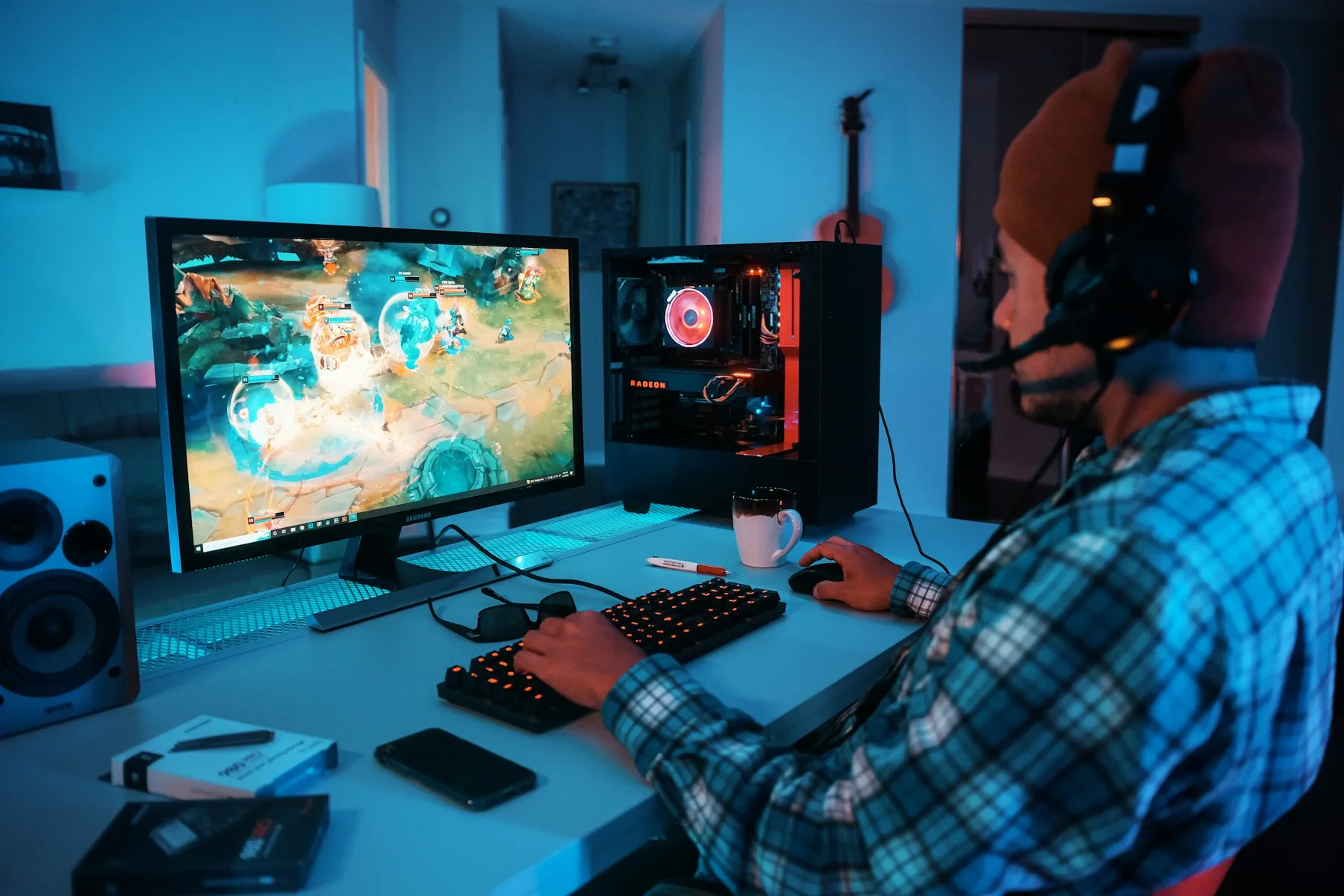
Accessibility patches used to arrive months after launch, usually as a list of isolated toggles. That pattern is beginning to reverse as studios bring disabled players and specialist consultants into production earlier.
From checklist to production practice
Teams are testing subtitle density, contrast, input timing, navigation, and cognitive load alongside ordinary performance checks. The strongest results come when accessibility is treated as part of encounter design rather than a settings-screen task.
Better options, better systems
Clearer telegraphs and flexible timing windows help more than the audience they were designed around. They also expose fragile tutorials, inconsistent prompts, and effects that obscure important information.
The launch-day expectation
Players now expect useful options on day one. That pressure can be healthy when it is backed by time, expertise, and public documentation instead of a hurried promise made just before release.
The next standard
The goal is not a universal preset. It is a system that lets more people understand, operate, and enjoy the same game without turning their needs into an afterthought.
Related stories
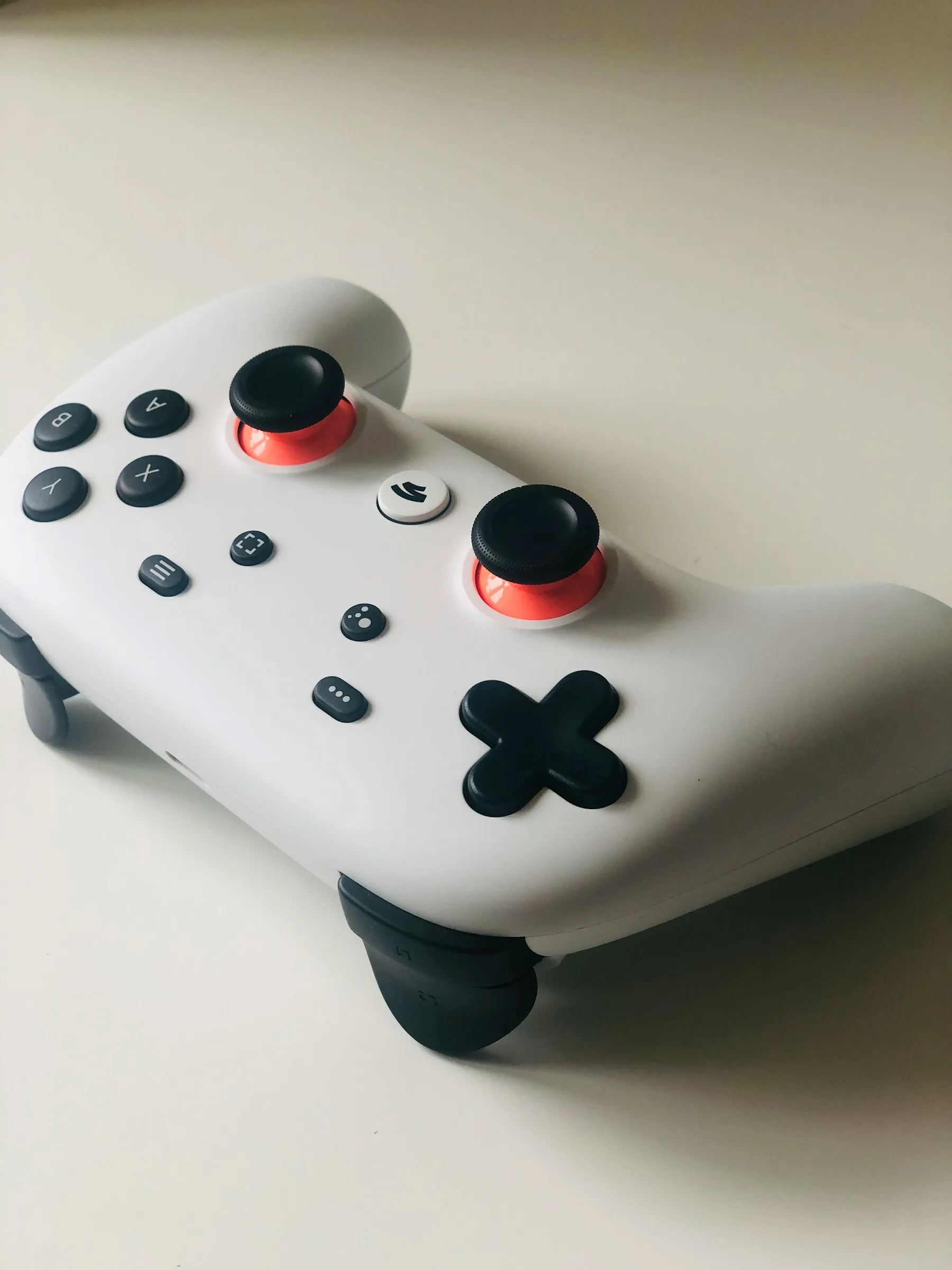
Game Subscriptions Are Quietly Resetting Their Value Proposition
Higher prices have pushed every major service toward a sharper answer to one basic question: what is this actually for?
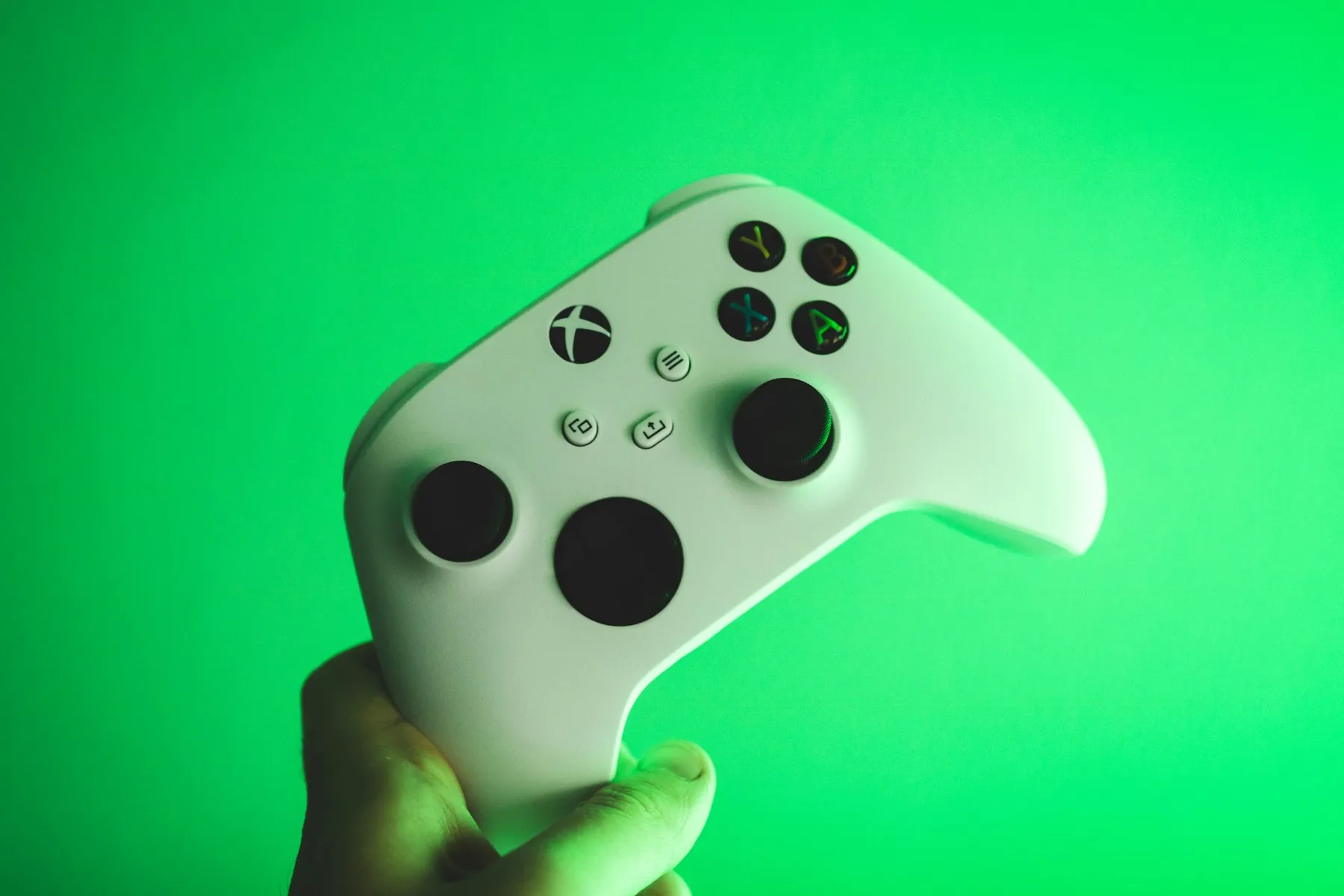
Why Handheld Gaming PCs Are Entering Their Second Generation
The first wave proved the format. The second has to prove it can last—with better panels, saner thermals, and a battery story that stops apologizing.

Why the Smartest Teams Are Building Around Rookies
The new competitive season has made patience fashionable again, with academy prospects replacing expensive short-term fixes.