Inside Nintendo’s Quietly Best First-Party Year in a Decade
No fanfare and no giant keynote—just six releases in twelve months that each found a clear audience.

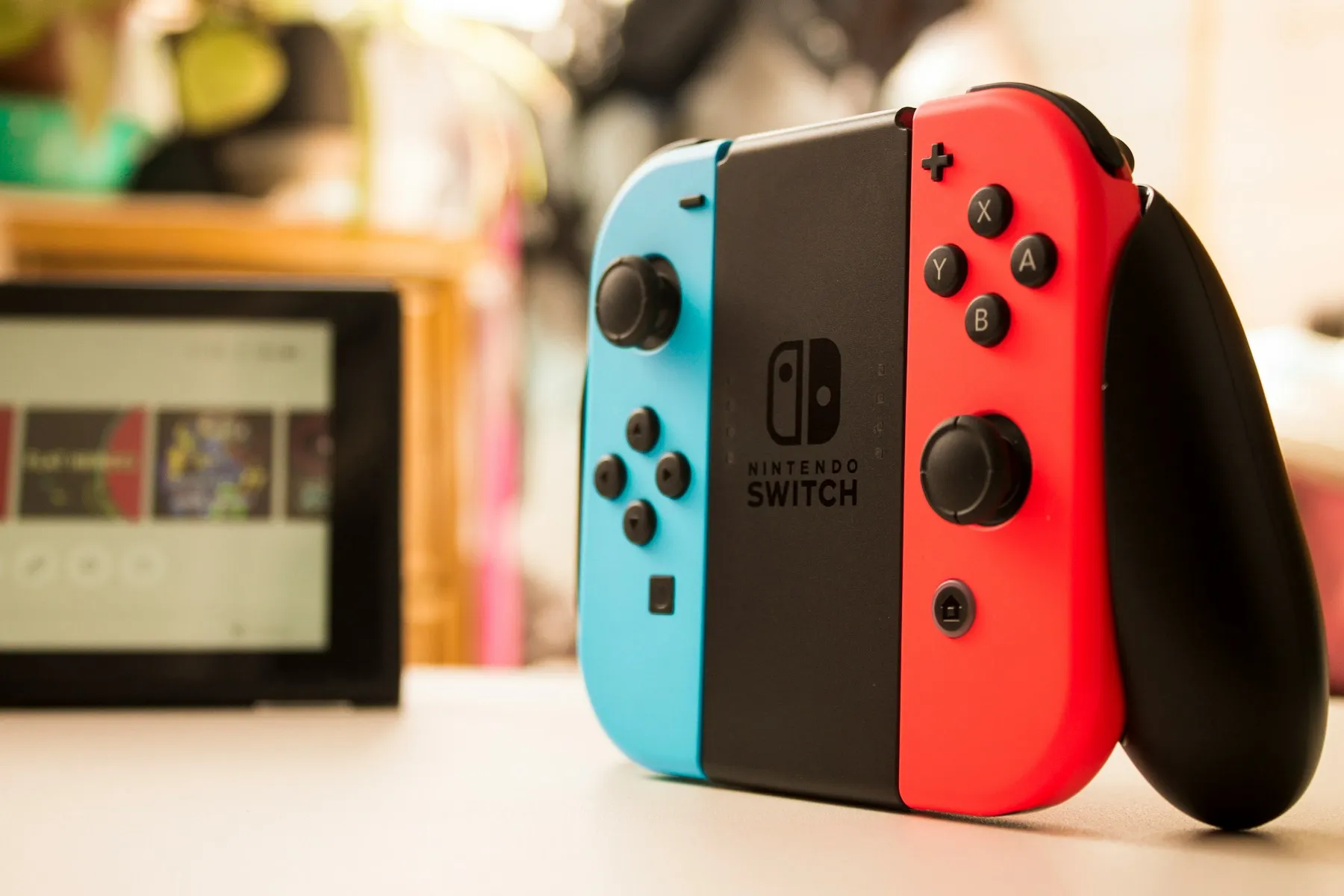
The strongest first-party year did not arrive with a single dominant release. It emerged from six confident games that knew their scale, their audience, and the one idea each wanted to own.
A schedule with rhythm
Large releases had room to breathe while smaller projects filled the gaps. The calendar avoided the familiar pattern of a crowded spring followed by months of silence.
Familiar series, specific changes
Sequels resisted the temptation to rebuild everything. One improved cooperative tools, another simplified its campaign map, and a third made competitive play easier to read.
Smaller teams mattered
Two of the year’s most distinctive games came from compact internal groups. Their limited scope created room for unusual controls and visual styles that a flagship project might have polished away.
Consistency over spectacle
No single game defines the year. The achievement is a catalog where very different players can point to something made carefully for them.
Related stories

Why Handheld Gaming PCs Are Entering Their Second Generation
The first wave proved the format. The second has to prove it can last—with better panels, saner thermals, and a battery story that stops apologizing.

The Accessibility Patch Race Is Changing How Games Ship
Studios are moving accessibility reviews earlier, and the results are reaching far beyond menus and remappable controls.

Why the Smartest Teams Are Building Around Rookies
The new competitive season has made patience fashionable again, with academy prospects replacing expensive short-term fixes.