What Next-Generation Upscaling Means for Midrange GPUs
The gap between the mid-tier and the flagship used to be a canyon. The latest upscaling stack has quietly turned it into a step.

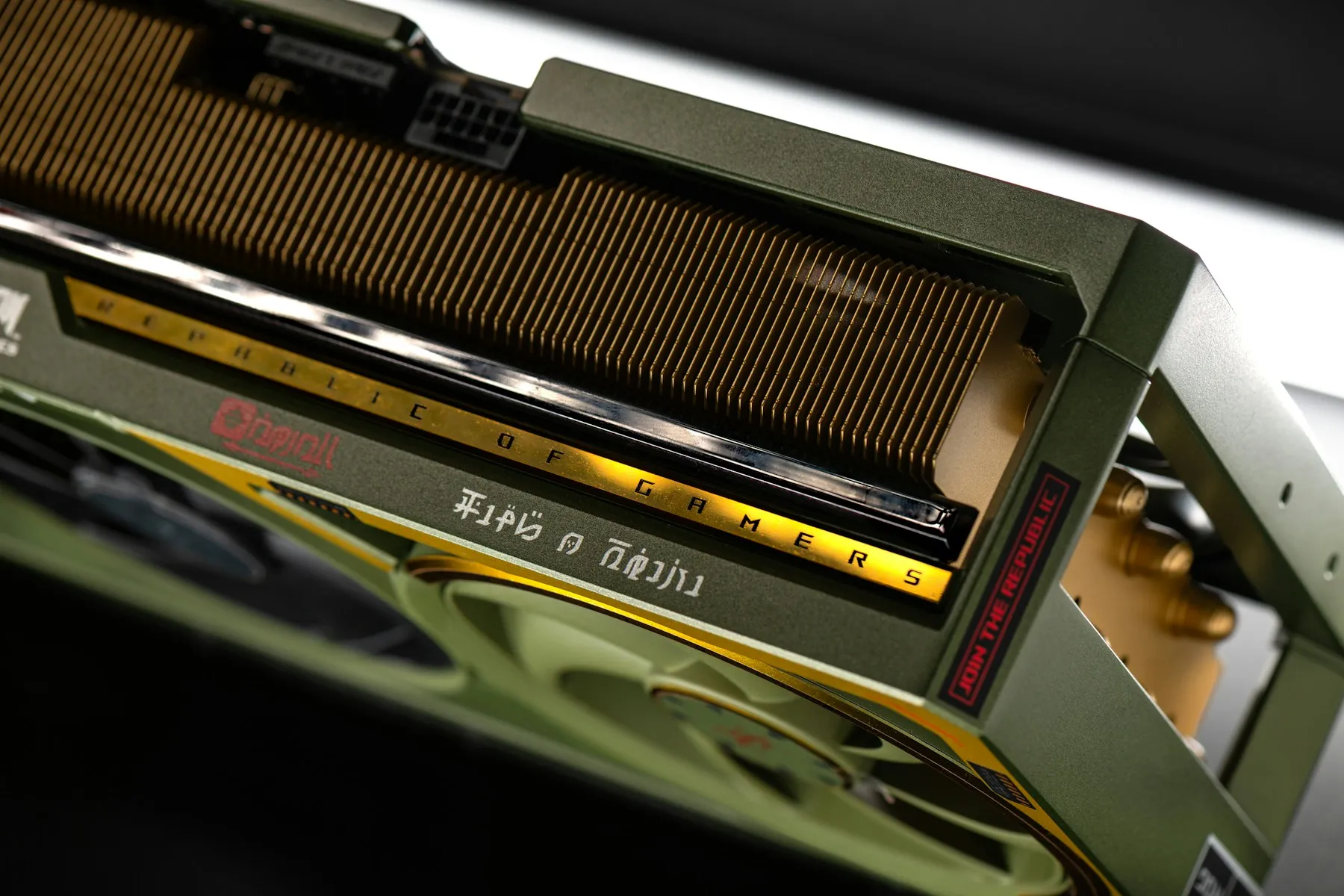
Upscaling used to be a compromise players enabled after lowering everything else. The latest models are changing that order, giving midrange cards a credible path to high-resolution output without pretending reconstructed frames are free.
Better input matters
Modern techniques use motion data, depth, and frame history instead of stretching a finished image. The result depends on stable game integration, which is why identical settings can look very different between releases.
Latency is part of quality
A sharper image is not automatically a better experience. Frame generation can raise the displayed rate while controls still respond to the underlying render. Good implementations explain that distinction and provide sensible pairings.
The midrange advantage
Cards that comfortably render at 1080p can now present a convincing 1440p image. That does not erase memory limits or weak ray-tracing performance, but it extends the useful life of hardware that would otherwise feel prematurely constrained.
Buy the whole card
Upscaling should support a buying decision, not make it. Memory capacity, power draw, cooling, driver support, and native performance still determine whether a card remains pleasant after the launch benchmarks fade.
Related stories

Why Handheld Gaming PCs Are Entering Their Second Generation
The first wave proved the format. The second has to prove it can last—with better panels, saner thermals, and a battery story that stops apologizing.
The Accessibility Patch Race Is Changing How Games Ship
Studios are moving accessibility reviews earlier, and the results are reaching far beyond menus and remappable controls.
Why the Smartest Teams Are Building Around Rookies
The new competitive season has made patience fashionable again, with academy prospects replacing expensive short-term fixes.