The Quiet Mechanical Keyboard Renaissance
Silent switches used to feel soft and vague. A new generation of damped designs has changed the tradeoff.

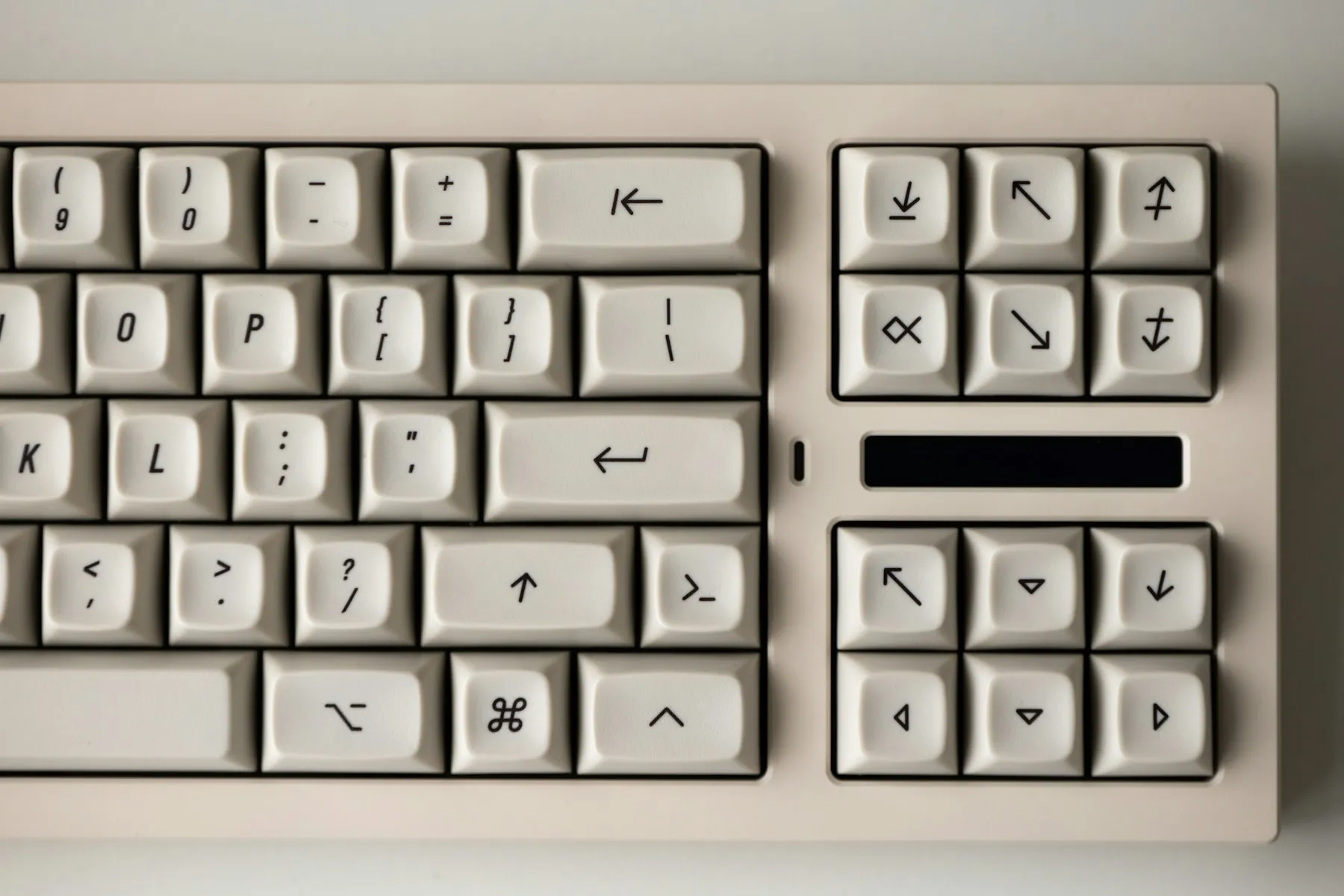
Quiet mechanical keyboards once asked users to trade sound for a soft bottom-out and an uncertain return. New switch materials and better case design have made silence feel deliberate instead of compromised.
The switch is only the start
Internal dampers reduce impact noise, but stabilizers, keycaps, plates, and hollow cases can put it back. The best quiet boards treat the entire acoustic path as one system.
Feel without the clack
Modern silent tactile switches preserve a defined bump, while new linear designs avoid the rubbery stop that made earlier versions tiring. Lubrication is more consistent from the factory too.
Better for shared rooms
The point is not absolute silence. It is bringing the keyboard below conversation, game audio, and a nearby microphone so the input device stops dominating the room.
What to buy
Start with switch feel, then listen for stabilizer rattle and case resonance. A heavier board is not automatically quieter; thoughtful damping matters more than mass.
Related stories

Why Handheld Gaming PCs Are Entering Their Second Generation
The first wave proved the format. The second has to prove it can last—with better panels, saner thermals, and a battery story that stops apologizing.
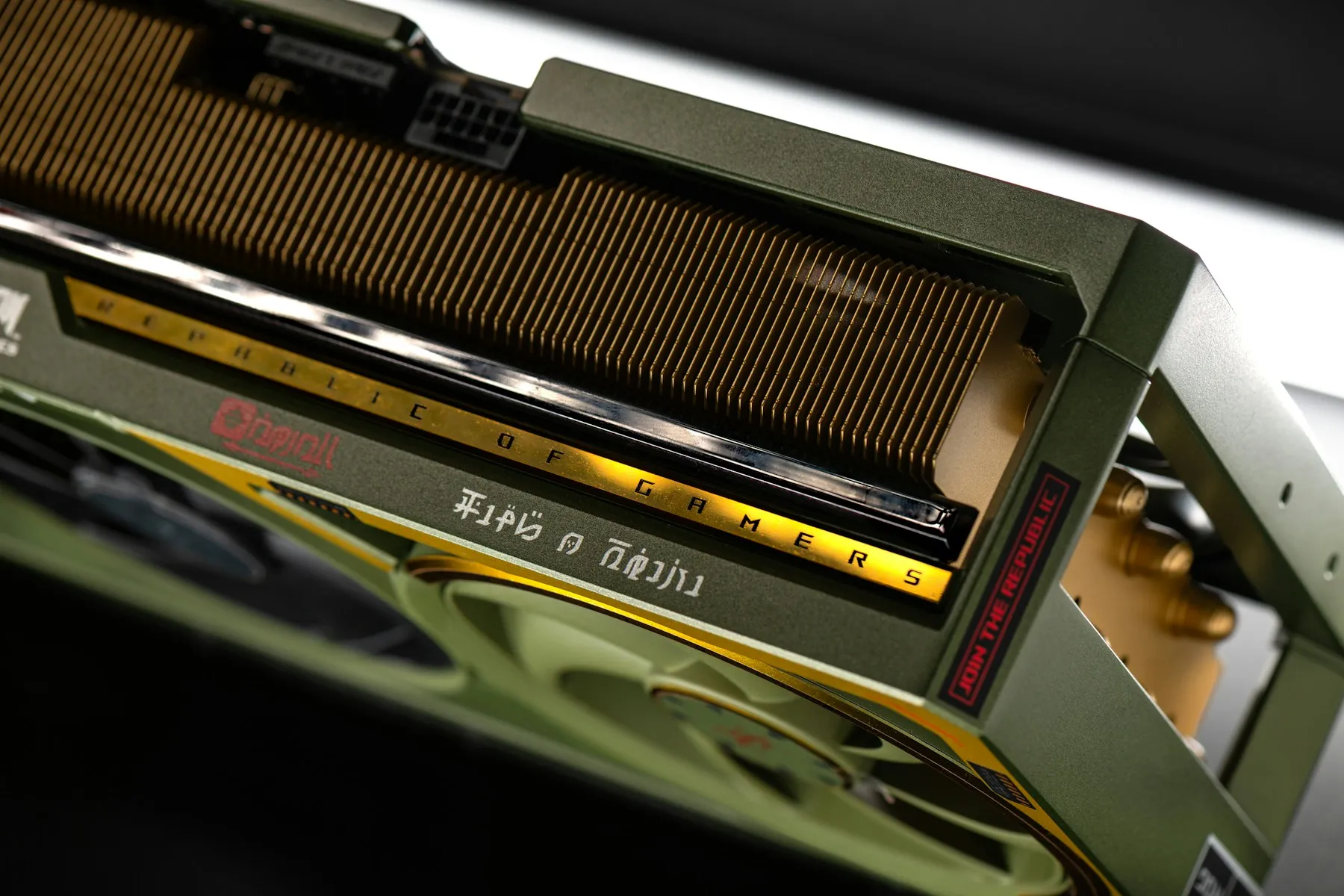
The 2026 Mid-Range GPU Buying Guide
Six cards, three price brackets, and one honest answer for every kind of PC player.

OLED vs. Mini-LED: The Gaming Monitor Argument, Settled
Two panel technologies, one very specific set of tradeoffs, and a clearer choice than the spec sheets suggest.