Why Handheld Gaming PCs Are Entering Their Second Generation
The first wave proved the format. The second has to prove it can last—with better panels, saner thermals, and a battery story that stops apologizing.

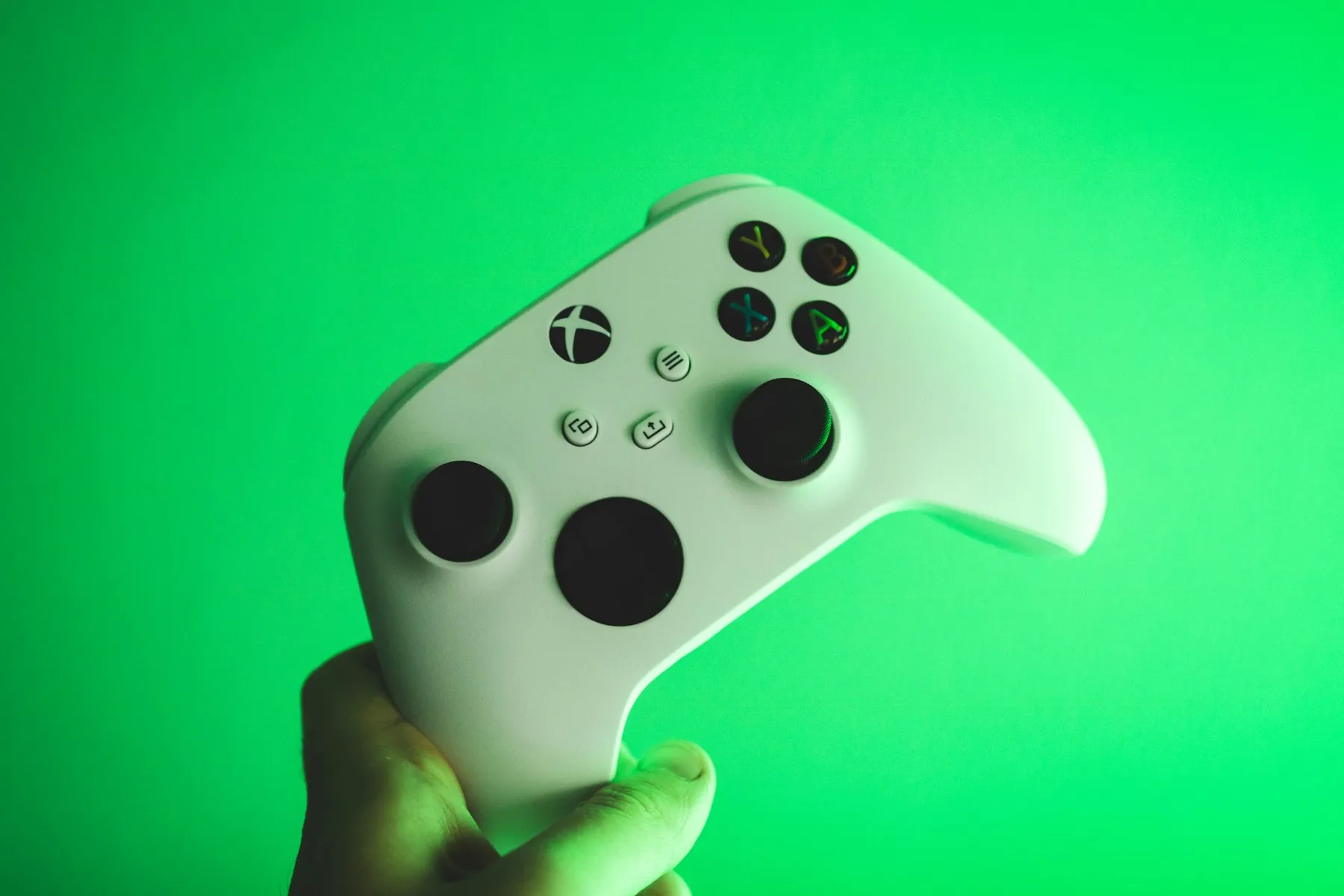
The industry loves a second generation. The first wave of anything—handheld PCs, VR headsets, foldable phones—usually feels like a proof of concept. The second wave is where the idea either matures into a real category or quietly washes back out to sea.
The opening argument
When the first modern handheld PCs shipped, the pitch was elegant: a full-size game library, unplugged, in a form factor you could actually hold. What arrived was more complicated. Thermals were rough, battery estimates were optimistic, and the software layer was still designed for a mouse.
The second generation is not really about specifications. It is about whether the format can survive its own audience.
Ivy Marchetti · Hardware Editor
None of that stopped people buying them. It did leave a specific problem for the next machines to solve—not “can this be faster?” but “can this feel finished?”
What actually changed
The panels are the loudest upgrade. OLED has reached mid-tier devices, refresh rates have climbed, and color finally matches the games these systems run. The latest fan curves are calmer too, keeping sustained clocks up without turning a quiet room into an airport gate.
Where it lands
Battery life remains the honest weakness. The compromise has changed shape, though: instead of two hours of everything, owners can now get four hours from most games or a concentrated hour from the most demanding releases. It is not solved, but it is workable.
What comes next
The third generation will be faster. The interesting question is what happens when the format stops being novel—when somebody buys a handheld because it is simply the machine they play on. This second wave is the first evidence that the answer may be: it becomes the console PC players had been asking for all along.
Related stories
The 2026 Mid-Range GPU Buying Guide
Six cards, three price brackets, and one honest answer for every kind of PC player.
OLED vs. Mini-LED: The Gaming Monitor Argument, Settled
Two panel technologies, one very specific set of tradeoffs, and a clearer choice than the spec sheets suggest.
The Quiet Mechanical Keyboard Renaissance
Silent switches used to feel soft and vague. A new generation of damped designs has changed the tradeoff.