OLED vs. Mini-LED: The Gaming Monitor Argument, Settled
Two panel technologies, one very specific set of tradeoffs, and a clearer choice than the spec sheets suggest.

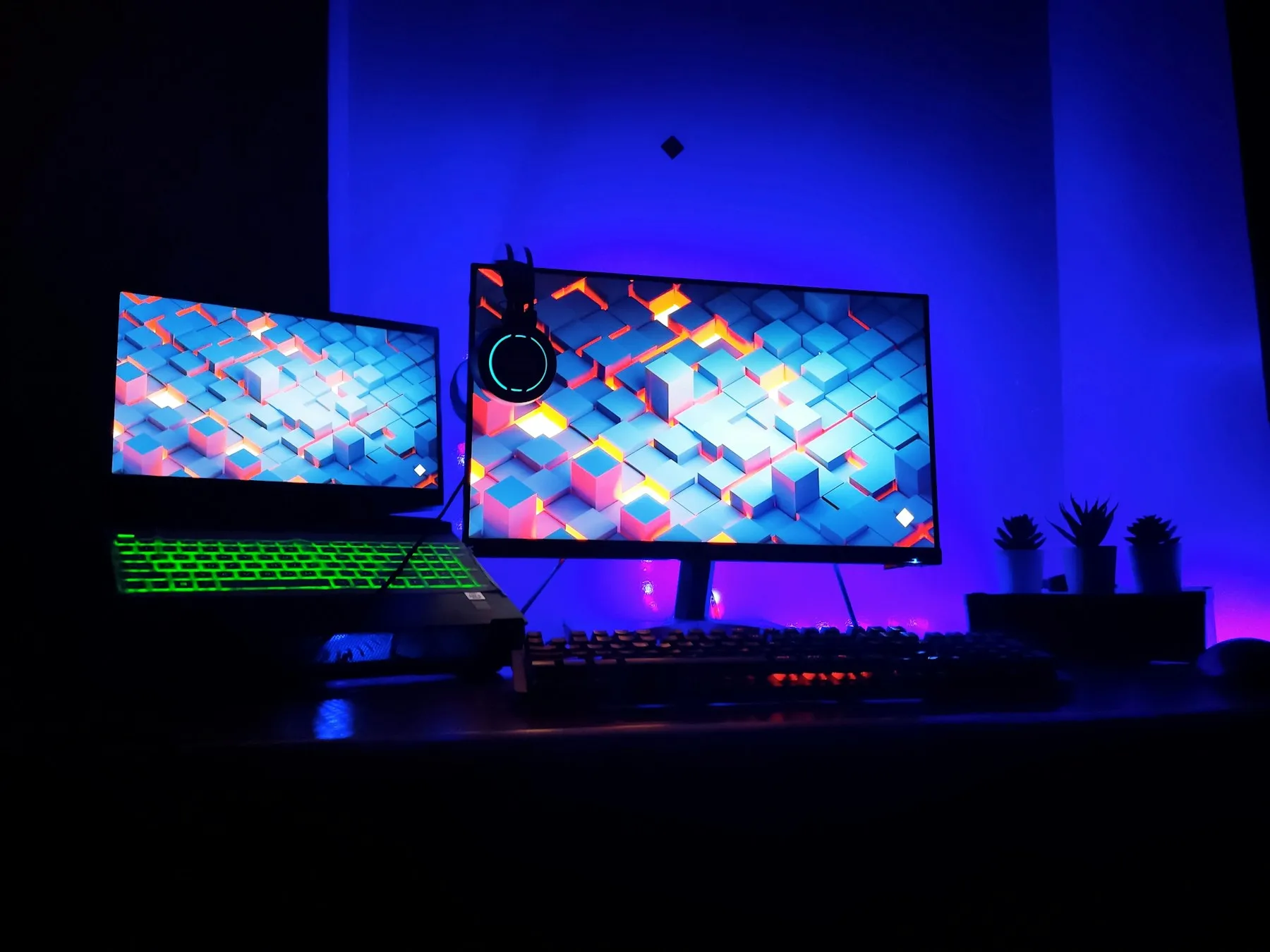
OLED and Mini-LED can both deliver excellent HDR, but they get there in opposite ways. One controls every pixel; the other pushes far more light through a carefully divided backlight.
Choose OLED for motion and contrast
Fast pixel response makes movement exceptionally clean, while true black gives dark scenes shape without halos. It remains the easiest recommendation for players who use the screen mainly for games and films.
Choose Mini-LED for brightness and work
A strong Mini-LED display handles bright rooms and static desktop use with less anxiety. Local dimming can bloom around fine highlights, but the best models minimize it convincingly.
The desk matters
Window placement, viewing distance, interface brightness, and daily work hours change the answer. A panel tested in a dark studio may behave very differently beside a sunny window.
The settled argument
There is no universal winner. OLED is the better specialist gaming display. Mini-LED is often the better all-day monitor that also happens to be excellent at games.
Related stories

Why Handheld Gaming PCs Are Entering Their Second Generation
The first wave proved the format. The second has to prove it can last—with better panels, saner thermals, and a battery story that stops apologizing.
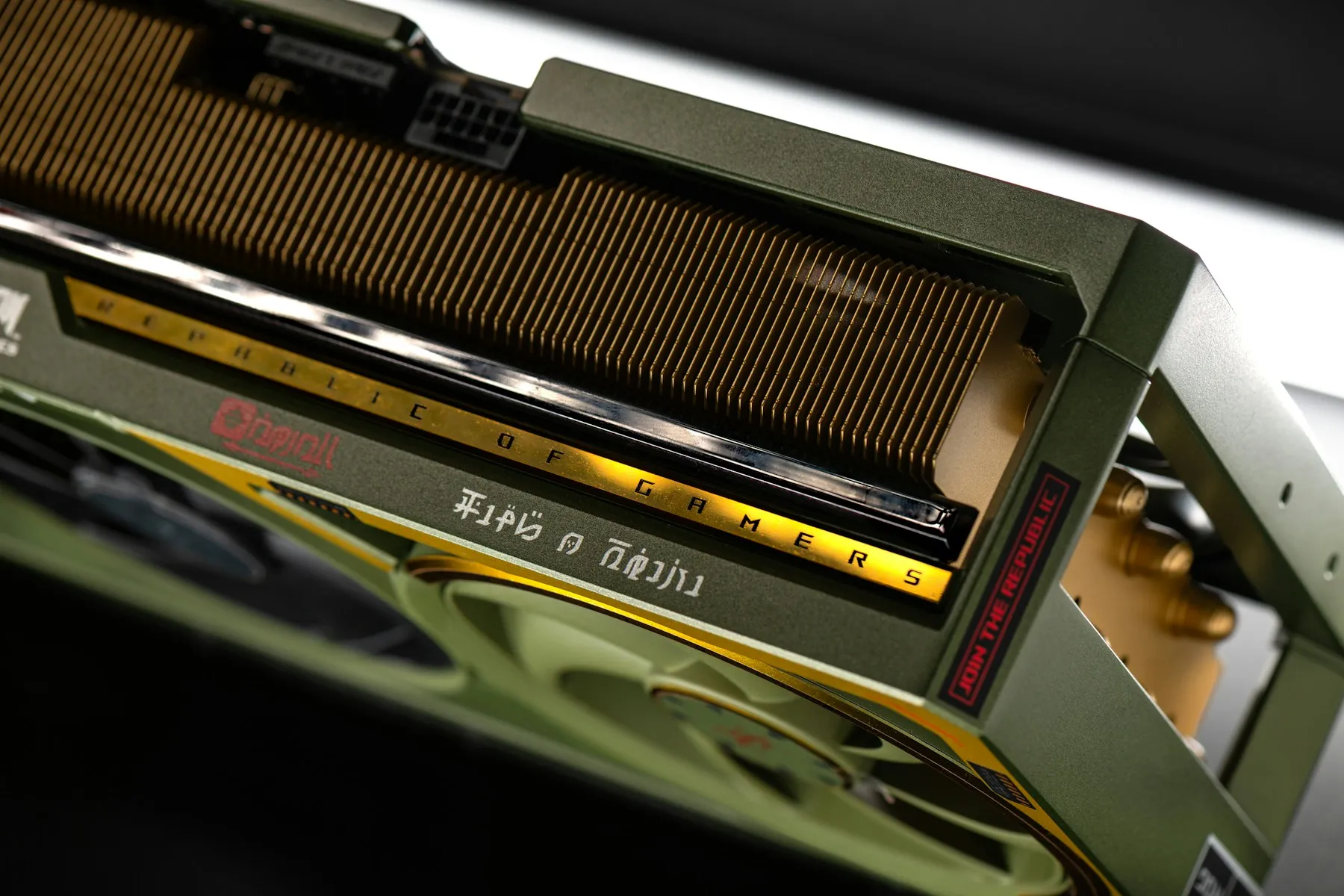
The 2026 Mid-Range GPU Buying Guide
Six cards, three price brackets, and one honest answer for every kind of PC player.
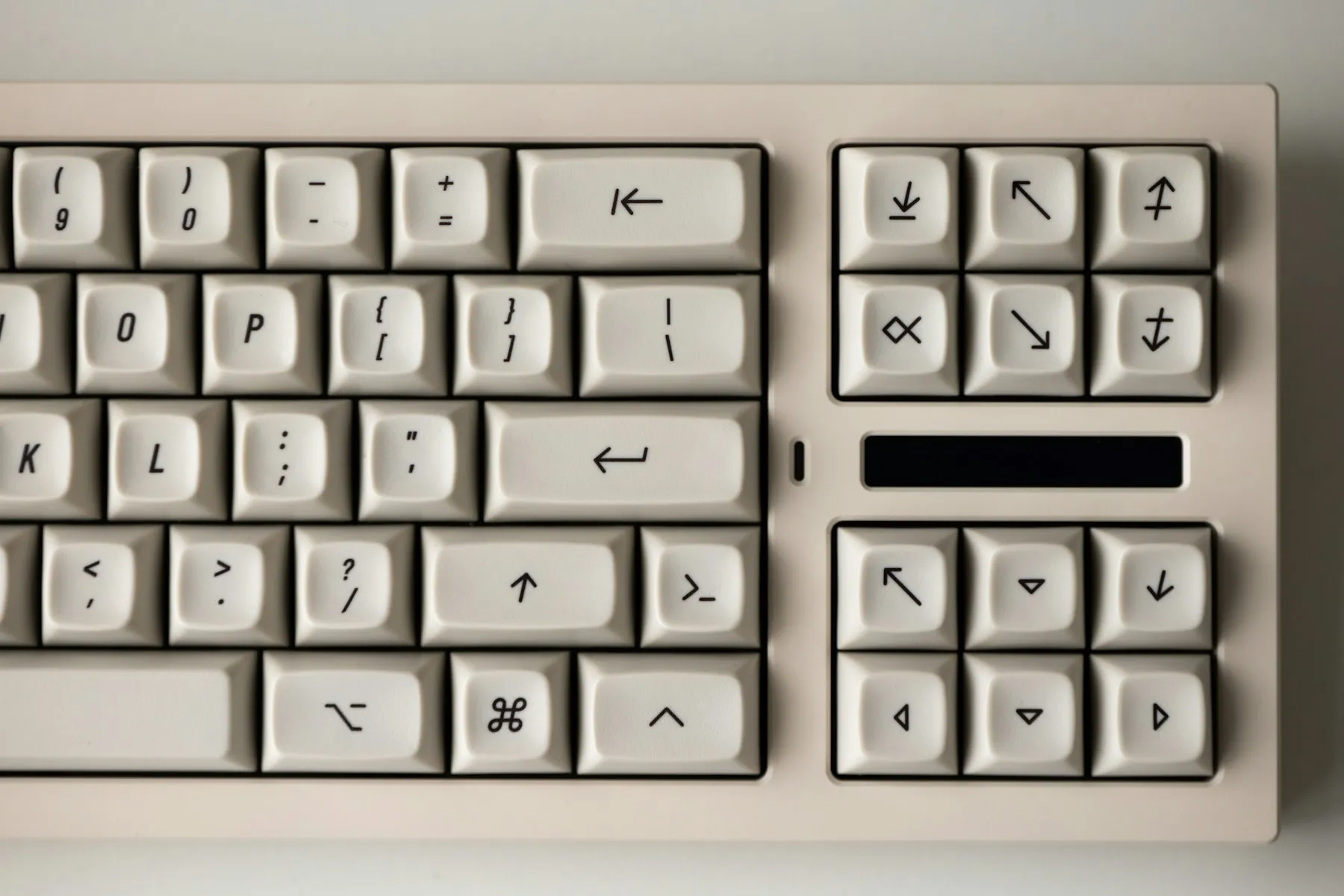
The Quiet Mechanical Keyboard Renaissance
Silent switches used to feel soft and vague. A new generation of damped designs has changed the tradeoff.