
The Arcade Preservation Scene Is Building Its Own Future
Repair collectives are documenting fragile boards, training new technicians, and turning old cabinets into living archives.

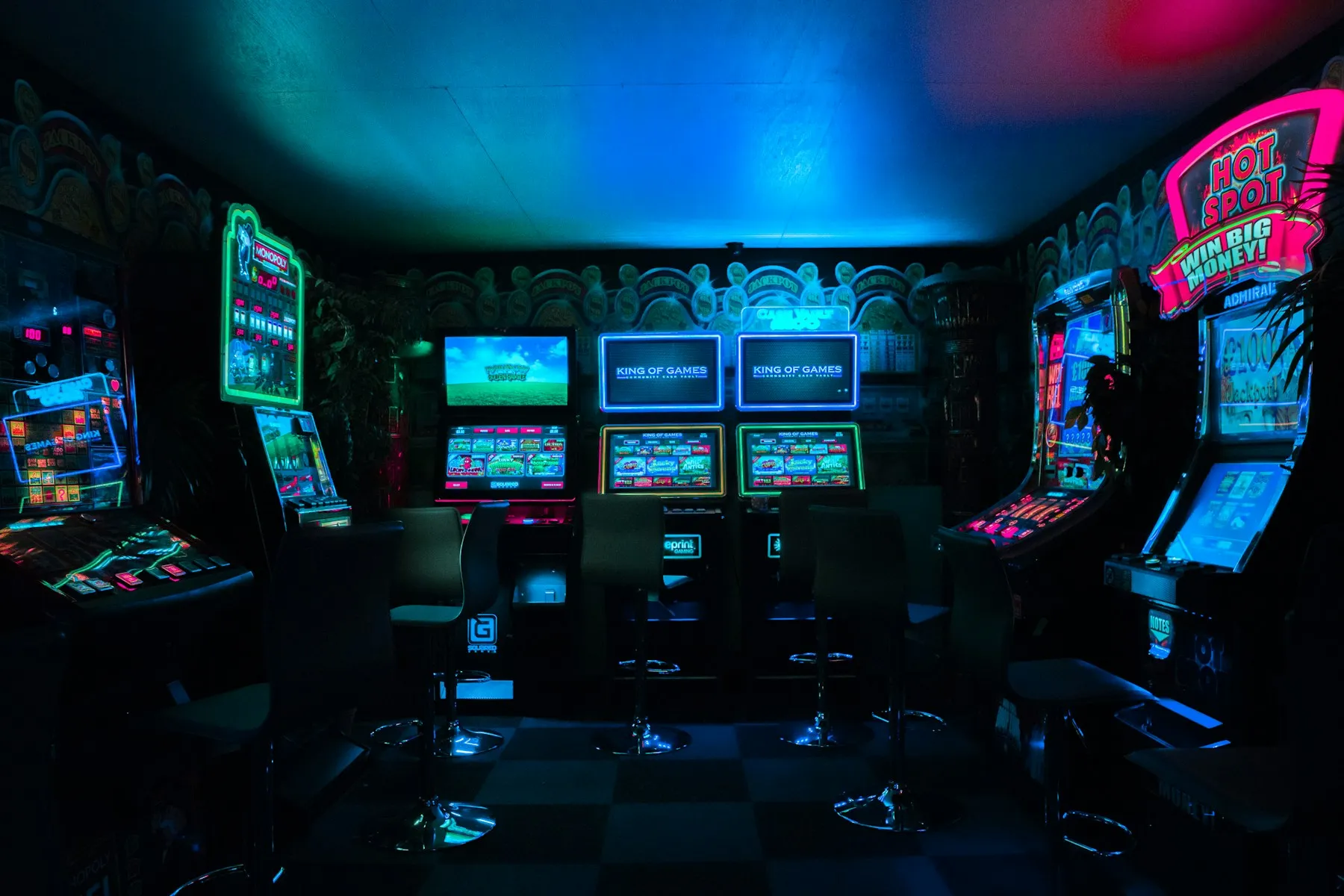
Photo: a person playing an arcade machine by Carl Raw on Unsplash.
An arcade cabinet is software, industrial design, furniture, and local history packed into one heavy object. Keeping one alive means preserving all of those layers at once.
Repair as documentation
Technicians are photographing boards, recording voltage readings, and publishing replacement-part notes that used to live only in personal notebooks. Every repair becomes a guide for the next machine.
The feel of original hardware
Emulation can preserve rules and visuals, but cabinet controls shape the game. Steering resistance, button spacing, screen position, and even the room around a machine influence how it is understood.
Training the next bench
Collectives are pairing experienced repairers with people who know modern fabrication and diagnostics. The exchange prevents preservation from depending on a shrinking group of specialists.
A living archive
The goal is not to freeze arcades behind glass. A machine survives when people can play it, recognize what is unusual about it, and learn enough to keep it running.
Related stories
Studios Are Rethinking the 100-Hour Open World
After a decade of bloat, several major studios are quietly cutting their maps in half—and finding players are staying longer.

Why Handheld Gaming PCs Are Entering Their Second Generation
The first wave proved the format. The second has to prove it can last—with better panels, saner thermals, and a battery story that stops apologizing.
The Accessibility Patch Race Is Changing How Games Ship
Studios are moving accessibility reviews earlier, and the results are reaching far beyond menus and remappable controls.