Console Repair Shops Are Winning the Right-to-Fix Argument
A growing repair network is making the case for parts, manuals, and software tools that keep game hardware out of drawers.

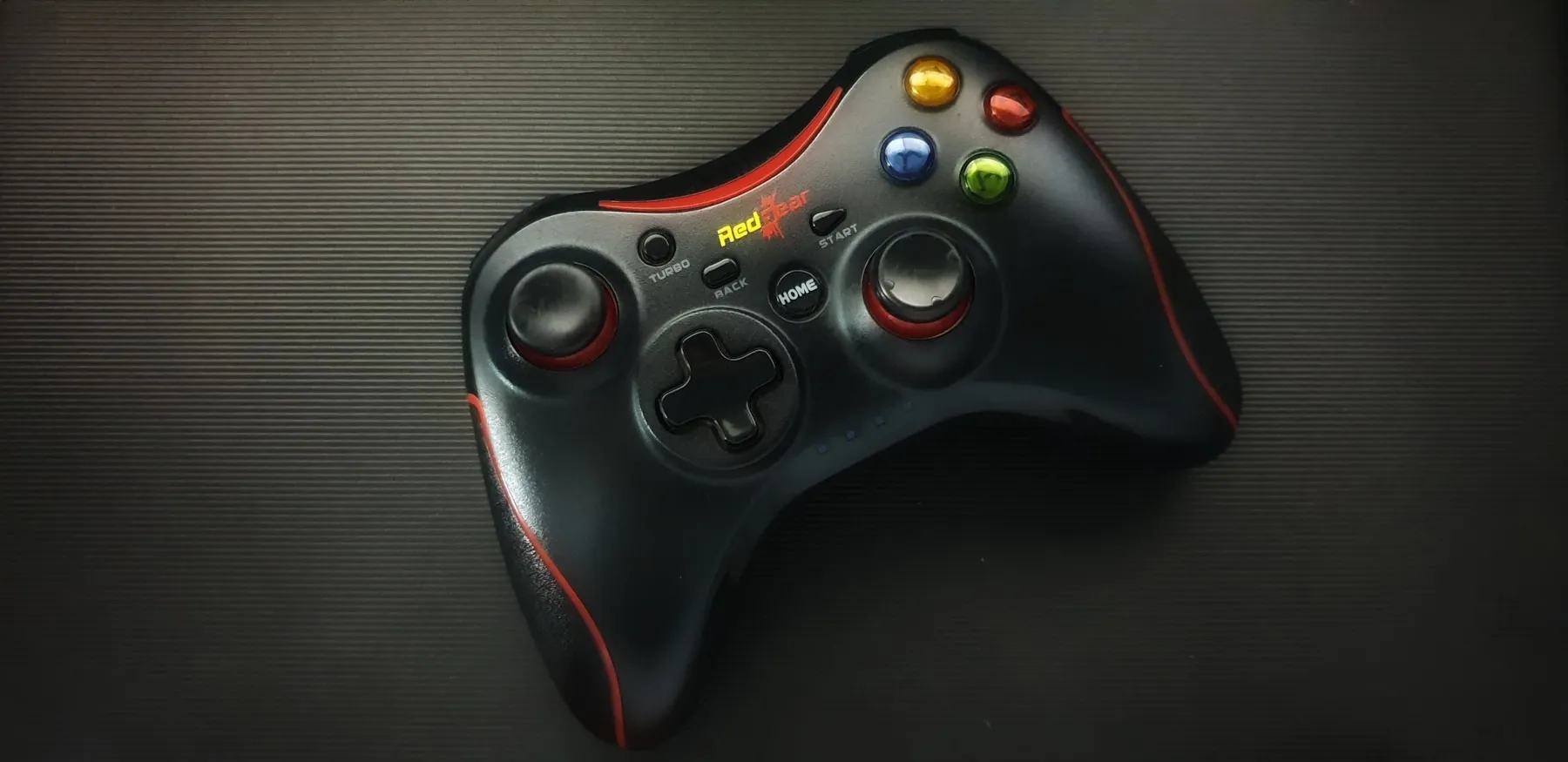
A failed port or worn stick should not turn an otherwise functional console into storage. Independent repair shops are showing how small parts and clear diagnostics can extend the useful life of game hardware.
Parts are the first barrier
Technicians can often identify the fault, yet still lack a reliable replacement component. Official parts programs help only when pricing and availability make repair more sensible than replacement.
Software tools matter too
Modern components may need calibration or pairing after installation. When those tools remain private, a physically successful repair can still leave a device partly unusable.
Good documentation protects owners
Manuals reduce guesswork and accidental damage. They also make it easier for repair shops to quote work accurately instead of pricing uncertainty into every job.
Repair is product support
Long-lived hardware builds trust in the platform around it. Right-to-fix is often framed as a conflict with manufacturers; it can also be a way for them to keep players invested in devices they already enjoy.
Related stories
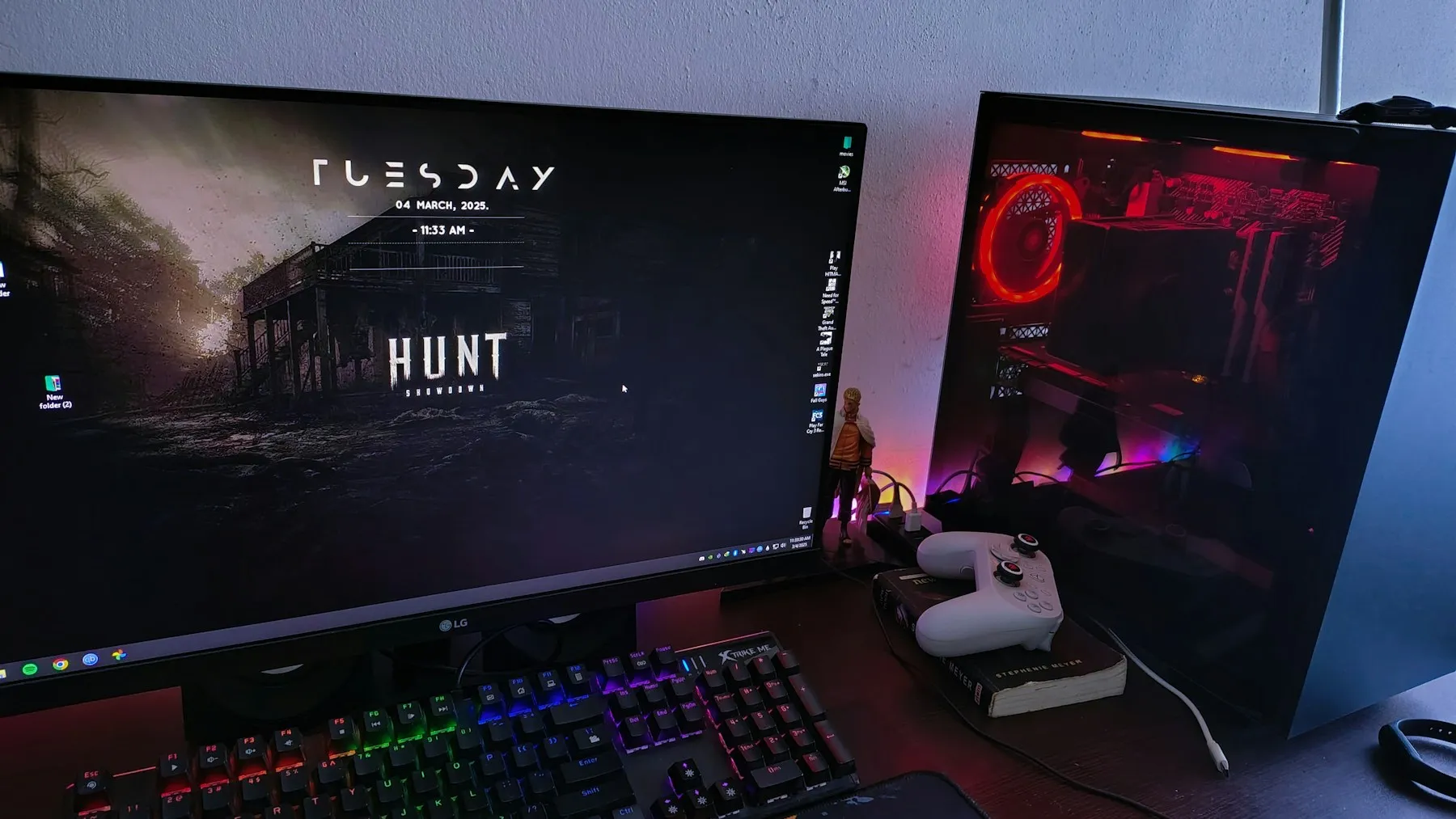
The Streaming Economy Is Shifting, and Creators Are Noticing
Ad rates are down, subscriptions are flat, and platforms are quietly rewriting the deal. Here is what a smarter creator contract looks like.

Why Handheld Gaming PCs Are Entering Their Second Generation
The first wave proved the format. The second has to prove it can last—with better panels, saner thermals, and a battery story that stops apologizing.
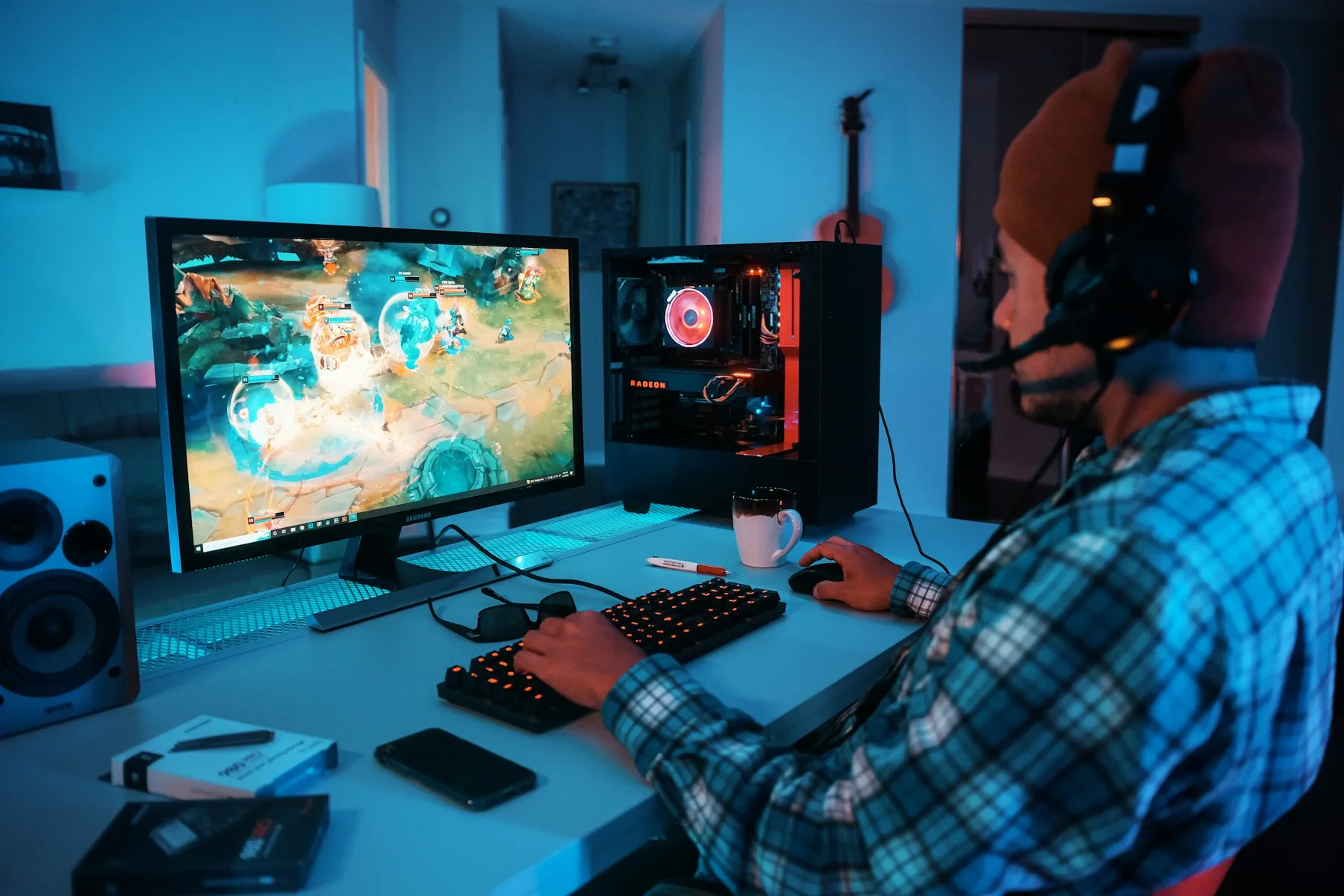
The Accessibility Patch Race Is Changing How Games Ship
Studios are moving accessibility reviews earlier, and the results are reaching far beyond menus and remappable controls.